The Inner Vitality: A Journey Beyond the Surface
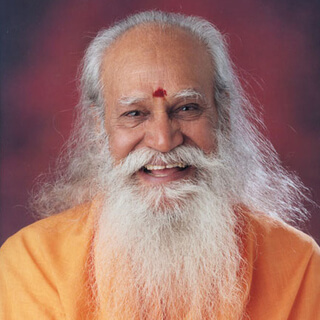
Swami Satchidananda's assertion, "But it is fully alive on the inside," invites us to explore the profound distinction between external appearances and internal realities. In a world often preoccupied with superficiality, this quote serves as a reminder that true aliveness emanates from within. It challenges us to engage deeply with our inner selves, suggesting that the essence of our being is vibrant and dynamic, even when the external world may seem dull or chaotic. This exploration of inner vitality is not merely philosophical; it holds the potential to transform our daily lives and relationships.
Delving deeper, we find that Satchidananda's words resonate with the core principles of integral yoga, which emphasizes the interconnectedness of body, mind, and spirit. The notion of being "fully alive on the inside" suggests a state of engagement that transcends mere existence. It beckons us to cultivate a rich inner life, one that is informed by awareness, presence, and authenticity. This inner aliveness is not a passive state; rather, it is an active engagement with our thoughts, emotions, and spiritual essence, urging us to live with intention and purpose.
The image / the metaphor
The imagery in Satchidananda's quote evokes a sense of vibrancy and depth. The phrase "fully alive" conjures visions of a flourishing garden, teeming with life beneath the surface, even when the outer world may appear barren. The choice of the word "inside" emphasizes the importance of introspection and self-awareness, suggesting that our true vitality is often hidden from view. This metaphor invites us to consider the layers of our existence, where the most profound experiences and insights reside, waiting to be uncovered.
Going deeper into this metaphor, we can liken the inner life to a wellspring of energy and creativity. Just as a tree draws nourishment from its roots, we too must cultivate our inner landscape to thrive. The aliveness that Satchidananda speaks of is akin to the flow of prana, or life force, which sustains us. When we engage with our inner selves, we tap into this reservoir of vitality, allowing it to inform our actions and interactions with the world around us. This engagement is not merely about feeling good; it is about embodying a sense of purpose and connection that enriches our lives.
In the speaker's tradition
Swami Satchidananda's teachings are deeply rooted in the tradition of integral yoga, which emphasizes the holistic integration of body, mind, and spirit. Concepts such as dharma, or one's life purpose, and prajna, or wisdom, are essential in understanding the significance of being "fully alive on the inside." In this context, the inner vitality that Satchidananda refers to is not just a personal experience; it is a universal truth that connects us to our higher selves and to the greater cosmos. This engagement with our inner life is a pathway to realizing our dharma, allowing us to contribute meaningfully to the world.
In the Yoga Sutras of Patanjali, we find a parallel to Satchidananda's insights. The sutras emphasize the importance of self-awareness and inner stillness as prerequisites for spiritual growth. The practice of meditation, for instance, is a means of turning inward, fostering a connection to the deeper aspects of our being. Just as Satchidananda encourages us to recognize our inner aliveness, Patanjali guides us toward the realization that true peace and fulfillment arise from within, rather than from external circumstances.
Living the teaching
Consider a modern scenario where the teaching of being "fully alive on the inside" can be applied: a busy professional navigating the demands of work and personal life. In the hustle and bustle of daily responsibilities, it is easy to become disconnected from one's inner self, leading to feelings of burnout and dissatisfaction. By consciously taking moments to pause, reflect, and engage with their inner thoughts and emotions, this individual can cultivate a sense of aliveness that transcends the external pressures. This practice of introspection not only enhances their well-being but also enriches their interactions with colleagues and loved ones.
Another application of this teaching can be found in relationships, particularly during challenging moments. When conflicts arise, it is often tempting to react impulsively or defensively. However, by grounding oneself in the understanding that true aliveness comes from within, individuals can approach these situations with greater empathy and clarity. Engaging with one's inner feelings and motivations allows for more authentic communication and connection, fostering a deeper understanding between partners. In this way, the teaching becomes a tool for nurturing relationships, transforming potential discord into opportunities for growth and connection.
A reflection
As we contemplate Swami Satchidananda's profound insight, we are invited to ask ourselves: What does it mean for me to be fully alive on the inside? This question encourages a deep exploration of our inner landscapes, prompting us to consider how we can cultivate a richer, more engaged inner life. In a world that often prioritizes external validation, this reflection serves as a gentle reminder to turn inward, to nurture the aliveness that resides within us, and to allow that vitality to inform our actions and relationships.


Join the BrightStar Community
Stay connected with daily inspiration, event announcements, and community wisdom